Pouyan Roohi on the Crypto Rally: Forced Buying Is Not Genuine Demand
A summary of Pouyan Roohi's argument that the latest crypto rally may be driven by short liquidations and leverage, and why he stays bullish on Bitcoin for the long term.
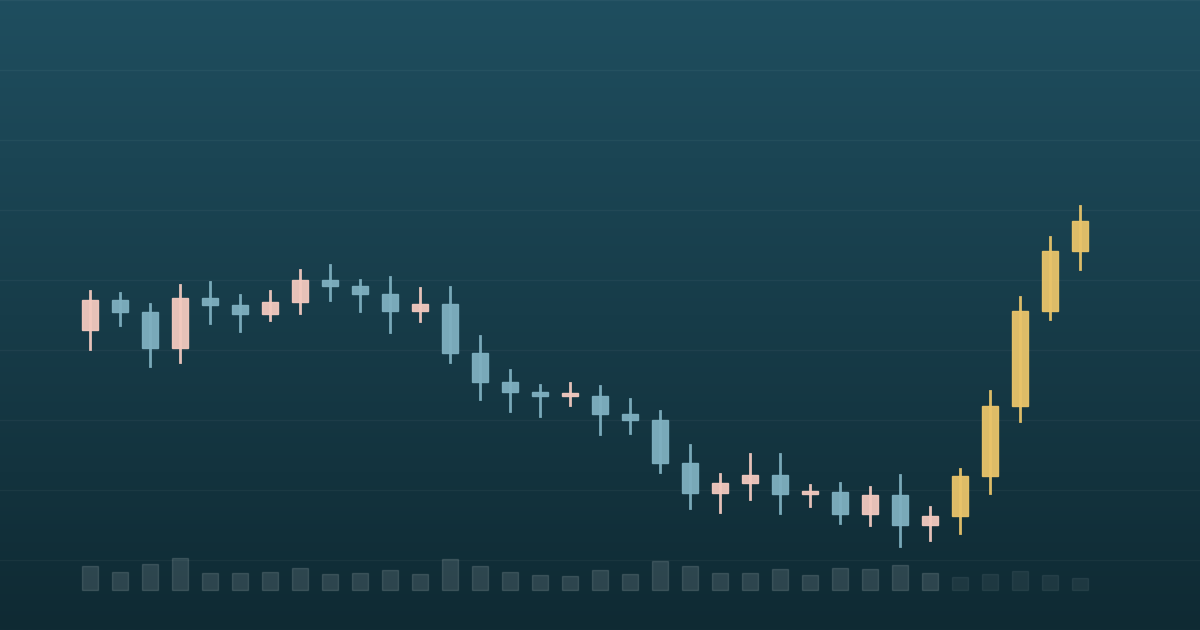
This post summarizes an article by Pouyan Roohi (@pouyanroohii), “Why I Believe the Crypto Market Is Heading for a Correction,” published on X on 21 October 2026. The ideas are his. The wording is mine. The original is here: x.com/pouyanroohii/status/2112987897574129992.
In brief
- A rising price does not prove rising demand. It can come from new buyers or from traders being forced to close positions.
- A short squeeze produces buying that is not conviction, so it can fade once the forced closures are done.
- Leverage can make a market look strong, and the same leverage can speed up the fall.
- Roohi stays very bullish on Bitcoin for the long term while being cautious about the current rally. He sees no contradiction in holding both views.
The core claim
Roohi opens with the line “Not every price increase is driven by genuine demand.” He argues that one of the costliest investor mistakes is to read every rise as proof of growing demand. Prices go up when new investors enter, and they also go up when existing traders have to buy back positions they no longer want. Both create buying pressure, but only the first one means someone is willing to hold the asset.
Why forced buying is not the same as demand
A trader who shorts is betting on a fall. If the price rises against them, they may be forced to close, and closing a short means buying. When many shorts close together, the buying pushes the price up, which triggers more stop-losses and more liquidations. That chain is a short squeeze. Roohi’s point is that some of those buyers are not buying because they believe in the asset. They are buying to escape a losing position.
He points to reported figures for 20 October, roughly $147 million of short liquidations against $85 million of longs, as a sign that squeezes may have contributed to the move. He is careful to add that liquidation data alone cannot prove the whole rally was a squeeze. To say that, one would also need to look at spot volume, open interest and real buying.
His central question follows from this: once the last short has closed, who keeps buying at higher prices? A lasting uptrend needs people who commit capital and absorb the supply. If prices rise while open interest falls, one reading is that existing leveraged positions are being closed, not new ones opened. If spot buying is also weak, the rally is more fragile. For that reason he does not treat every green candle as confirmation of a new bull market.
He also notes that fast moves leave areas where little trading happened, which analysts study as liquidity voids, fair value gaps and low-volume nodes. He stresses these are not identical to a CME futures gap, and that no rule says every gap must be filled. His point is only that fast gains, falling open interest and thin spot demand together make a correction worth taking seriously.
What leverage does to a rally
For Roohi, leverage is one of the main amplifiers of volatility in crypto. After a squeeze, traders who missed the move may open leveraged longs out of fear of missing out, which builds a new pile of leveraged exposure. If the price then turns down, stop-losses and long liquidations add forced selling, and that can trigger further liquidations. The mechanism that sped the rally up can speed the decline up. This is why he treats funding rates, open interest and liquidation clusters as being as important as the chart. In his words, a rising market is not necessarily healthy, and sometimes it is just a highly leveraged one.
Conviction is not the same as timing
Roohi says he is extremely bullish on Bitcoin over the long term and believes it could eventually exceed $3 million per coin. He describes this as a long-term vision, not a price target, and says there is no guarantee. He grounds it in scarcity, global transferability, relative independence from intermediaries and possible wider adoption, not in the 21 million supply cap alone.
His distinction is that believing in an asset’s future does not mean believing its price is justified at every moment. He holds the long-term view and a bearish view of the current rally at once. He adds that Bitcoin’s history includes deep corrections and long bear markets even during its long rise. His worry is that part of the recent move came from unwinding leveraged positions, and if so, the market may need to revisit lower prices before building a more durable uptrend. In his closing line, long-term conviction means not being run by short-term emotions.
A note on this summary
I wrote this summary so readers can see his argument in one place. The figures are the ones Roohi cites, and his article does not name a primary source for the 20 October liquidation numbers, so check them against live data before relying on them. Any view in this post is his. This is educational content, not financial advice.
References
Roohi, P. [@pouyanroohii]. (2026, October 21). Why I believe the crypto market is heading for a correction [Post]. X. https://x.com/pouyanroohii/status/2112987897574129992